
For thousands of UK businesses, company vehicles are essential to everyday operations. Construction contractors depend on vans to transport tools, equipment and materials between sites, maintenance engineers travel between customer appointments throughout the day, and facilities management companies often have employees working across numerous properties.
Keeping those vehicles available, legally compliant and properly documented is an important part of running the business, yet managing the paperwork and renewal dates associated with them can become surprisingly complicated.
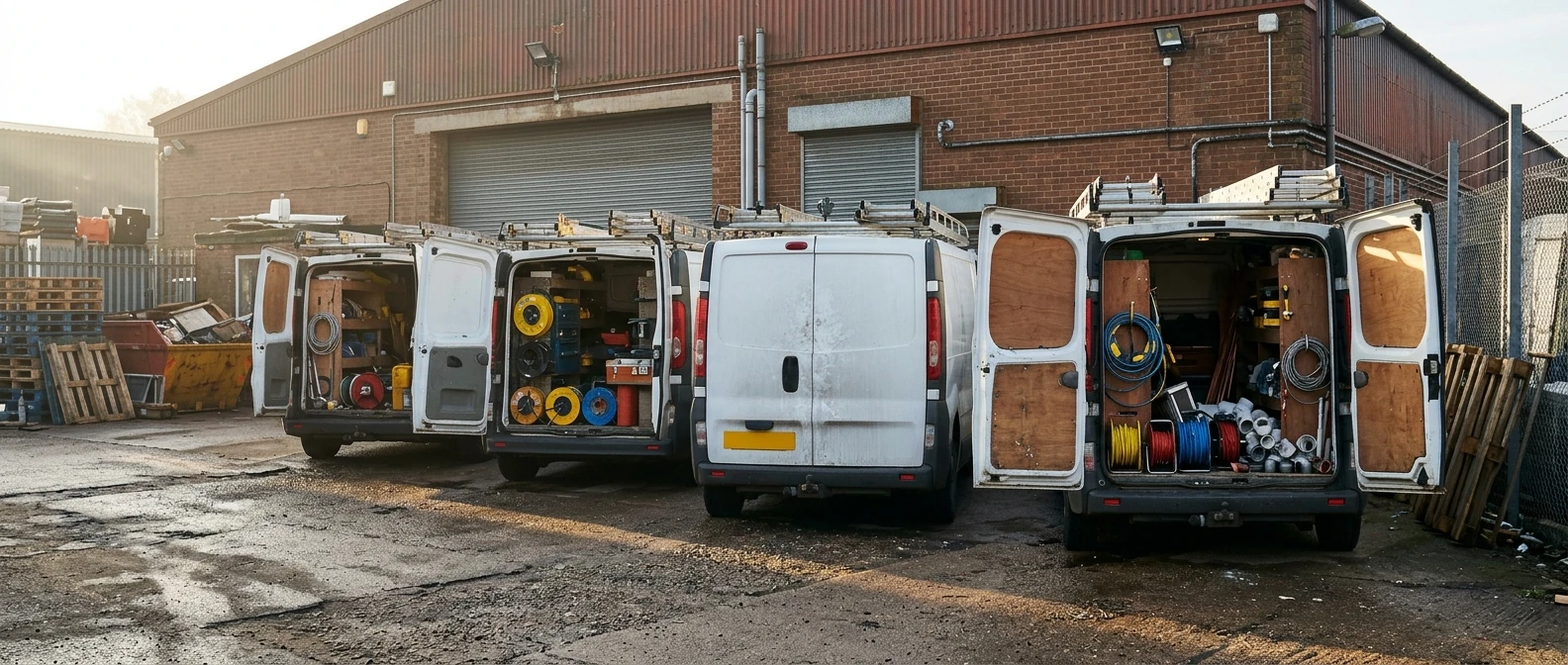
When a business operates only one or two vehicles, the owner may find it relatively easy to remember when each MOT is due or when an insurance policy needs renewing. However, as the company grows and additional vehicles are introduced, those responsibilities quickly multiply.
Every vehicle can have its own MOT date, insurance arrangements, assigned employee and inspection requirements. Information that was once manageable through memory or a simple calendar can become difficult to coordinate, particularly when different employees are responsible for different aspects of the fleet.
Vehicle MOT and insurance tracking is about maintaining a clear record of the important dates and documents associated with company vehicles. It gives business owners and managers a more reliable way to identify upcoming requirements, organise relevant paperwork and take action before an overlooked deadline creates unnecessary problems.
For companies that depend on their vehicles to deliver services, maintaining these records is not merely an administrative convenience. It is part of keeping everyday operations running smoothly.
Why Vehicle Renewal Dates Matter to UK Businesses
A company vehicle represents an investment, but its value to the business often goes far beyond its purchase or lease cost. A plumbing contractor may need a van to carry tools and replacement parts to customer premises, while an electrical maintenance company may have several engineers travelling between commercial buildings.
If one of those vehicles becomes unavailable unexpectedly, the business may need to rearrange appointments, allocate another vehicle or delay scheduled work. Even a short interruption can create inconvenience for employees and customers.
Some vehicle requirements are dictated by law, while others arise from the operational needs of the business. MOT testing requirements depend on the vehicle’s type, age and circumstances. Insurance must be appropriate for how the vehicle is used, and businesses have wider responsibilities for ensuring that vehicles operated for work are maintained in a roadworthy condition.
Depending on the nature of the vehicle and its operation, additional inspections, testing or record keeping requirements may also apply.
Allowing an important date to pass unnoticed can create difficulties that could have been avoided through better administration. A missed MOT appointment may mean that a vehicle cannot be used as planned, while problems with insurance cover could lead to legal or financial consequences.
It is important to recognise that a reminder system does not replace the requirement to comply with the relevant rules. Its value lies in helping the business identify when something needs attention and maintain the information necessary to arrange the appropriate action.
For companies operating several vehicles, having a reliable record of upcoming dates also supports better planning. Instead of discovering that a number of vans require attention during a particularly busy week, managers can review future requirements and consider how to organise appointments around existing work commitments.
The Problems Created by Scattered Vehicle Records
Consider a construction business operating fourteen vans across several teams. The vehicles may have been purchased or leased at different times, with some assigned permanently to individual employees and others shared between workers. Their MOT dates are spread throughout the year, and insurance may be managed under a combination of company arrangements and individual policies. Maintenance records, certificates and other documentation might be held in different locations depending on who originally arranged them.
The office administrator may maintain a spreadsheet showing vehicle registration numbers and MOT dates, while an operations manager keeps information about assigned drivers. Insurance documents could be stored in an email account, and servicing records may be kept by the person responsible for arranging maintenance.
Although each individual system contains useful information, the company does not have one reliable place to review the full administrative position of its vehicles.

If your company manages several vehicle policies, a central approach to business insurance renewal tracking can help keep those dates visible alongside MOT records.
This arrangement becomes especially frustrating when an employee leaves, changes roles or is unavailable. Information may be difficult to locate because nobody is entirely sure where the latest document was saved. A manager might spend time searching through messages simply to confirm a renewal date that should have been immediately accessible.
The difficulty tends to increase as a business grows. New vehicles are added, older vehicles are sold or replaced, employees change assignments and documentation is updated. Unless records are maintained consistently, information can quickly become outdated. Having a central system does not eliminate the work involved in managing vehicles, but it provides a clearer foundation for keeping important information organised.
What a Business Vehicle Register Should Contain
A useful vehicle register should begin with accurate identification of each vehicle. The registration number, vehicle description and any relevant internal reference make it easier to distinguish between records, particularly where several similar vans or company cars are operated. Recording the person assigned to a vehicle can also be helpful, as it allows managers to understand which employee uses the vehicle regularly and who may need to be contacted about its documentation.
Important dates should be recorded according to the requirements applying to the vehicle. For many businesses, MOT expiry dates and insurance renewal information will be among the most relevant details. Companies may also wish to maintain records associated with inspections, certifications or other operational obligations. Supporting documents should be easy to locate so that the business can refer to the latest available information when necessary.
The aim is not to create an unnecessarily complicated register containing every detail imaginable. A useful record is one that reflects the responsibilities the business actually needs to manage. A small contractor operating ordinary vans may have different administrative needs from a company using specialist commercial vehicles. The correct information will depend on the vehicle, the work being undertaken and the applicable requirements.
Consistency matters more than complexity. If every vehicle has a clearly identified record and relevant renewal dates are maintained in the same way, managers can review the information with less confusion. This also makes it easier to introduce new employees to the company’s administrative procedures, rather than relying on informal knowledge held by one person.
Why Responsibility for Vehicle Records Must Be Clear
One of the most common weaknesses in business administration is uncertainty about who is responsible for taking action. A driver may assume the office is arranging an MOT, while the office administrator believes the vehicle supervisor is handling it. When there is no clearly defined responsibility, an important date can approach without anyone making the necessary arrangements.
Businesses benefit from deciding who maintains vehicle records and who arranges the work associated with particular deadlines. In a small company, the owner may handle most of these tasks personally. A larger organisation might have an office manager or fleet administrator responsible for monitoring documents, with supervisors managing vehicle availability and drivers reporting defects.
These responsibilities can be shared, but they should not be ambiguous. The person maintaining the register needs to know when information changes, while the person arranging an appointment needs enough notice to organise it appropriately. Regular communication between the office and employees using the vehicles helps ensure that records reflect the actual circumstances of the business.
Assigning vehicles to people within a management system can support this process. It gives managers a clearer understanding of which employee is associated with a particular vehicle and provides a useful reference when further information is needed. However, the business must still establish practical procedures for inspections, maintenance, reporting and legal compliance.
Planning Ahead for MOT and Insurance Renewals
One of the greatest advantages of organised vehicle tracking is the ability to review upcoming requirements rather than responding to them at the last moment. A company with several vehicles may need to arrange appointments while ensuring that enough vans remain available for scheduled work. Having advance visibility makes these decisions easier.
For example, a maintenance company might discover that three vans require MOT tests during the same fortnight. If those dates are reviewed early, the appointments can potentially be arranged on different days to reduce disruption. The company may also be able to coordinate vehicle availability with employees and customer appointments.
Without a reliable record, the same situation could become unnecessarily difficult if the dates are noticed only when they are approaching.
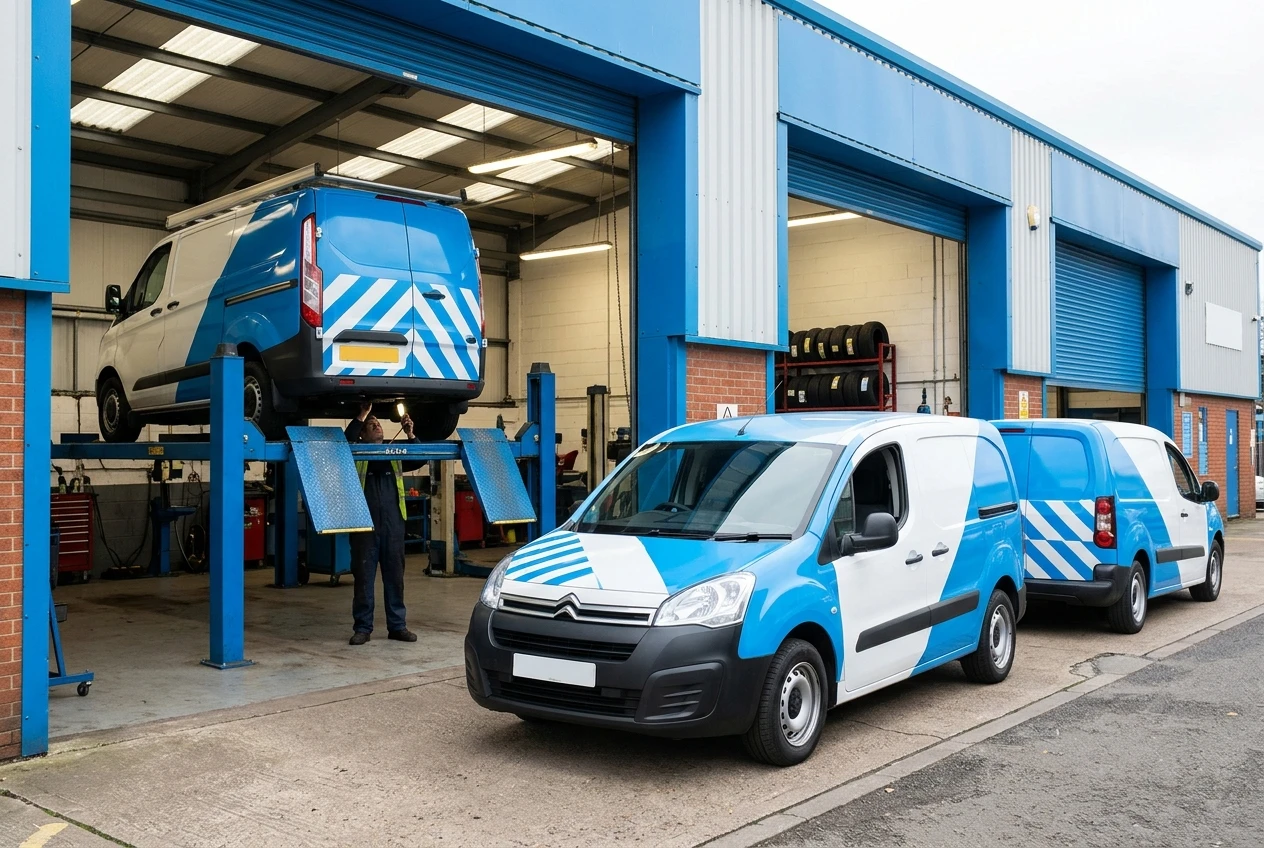
Vehicle documents can also form part of the information needed when you prepare business records for compliance audits.
Insurance renewals also benefit from advance planning. Businesses may need time to review policy arrangements, update vehicle details, confirm appropriate use and consider any changes in cover. A renewal date recorded in an organised system provides a starting point for that process, while earlier internal review dates can allow additional time where required.
The key is to establish a routine of checking upcoming responsibilities. An occasional review of the vehicle register can help identify which documents and dates require attention over the coming weeks. This creates a more manageable approach than repeatedly relying on individual reminders or discovering outstanding matters through chance.
How Renewal Radar UK Supports Business Vehicle Tracking
Renewal Radar UK includes a dedicated Vehicles section designed to help businesses organise vehicle information and the important dates associated with it. Rather than maintaining separate documents for every aspect of vehicle administration, users can record relevant information within the application and manage associated renewal items and documentation.
The ability to associate vehicles with assigned people is particularly useful for companies where several employees operate different vehicles. Managers can use this information alongside other records within the system, helping maintain a clearer picture of their business responsibilities.
Renewal Radar UK’s dashboard and Action Centre provide visibility over important records that are approaching expiry, are overdue or require attention. This helps vehicle related deadlines form part of the same administrative process as employee qualifications, equipment inspections, insurance records and company documents. For businesses already managing these responsibilities separately, bringing them into one application can reduce unnecessary fragmentation.
The system is not a vehicle maintenance service, MOT booking platform or insurance provider. It does not determine whether a vehicle is roadworthy or automatically establish whether the correct insurance is in place. Its purpose is to help businesses organise records and monitor the dates they need to manage, allowing the responsible people to take appropriate action.
If your company currently relies on several spreadsheets and calendars to manage vehicle documentation, you can explore Renewal Radar UK through a 14 day free trial at www.renewalradaruk.com.
Keeping Vehicle Information Accurate as the Business Changes
Vehicle records should be treated as information that needs to be maintained rather than something completed once and forgotten. Businesses acquire new vehicles, dispose of older ones, change employee assignments and renew documentation throughout the year. Each change can affect the accuracy of the information held in the register.
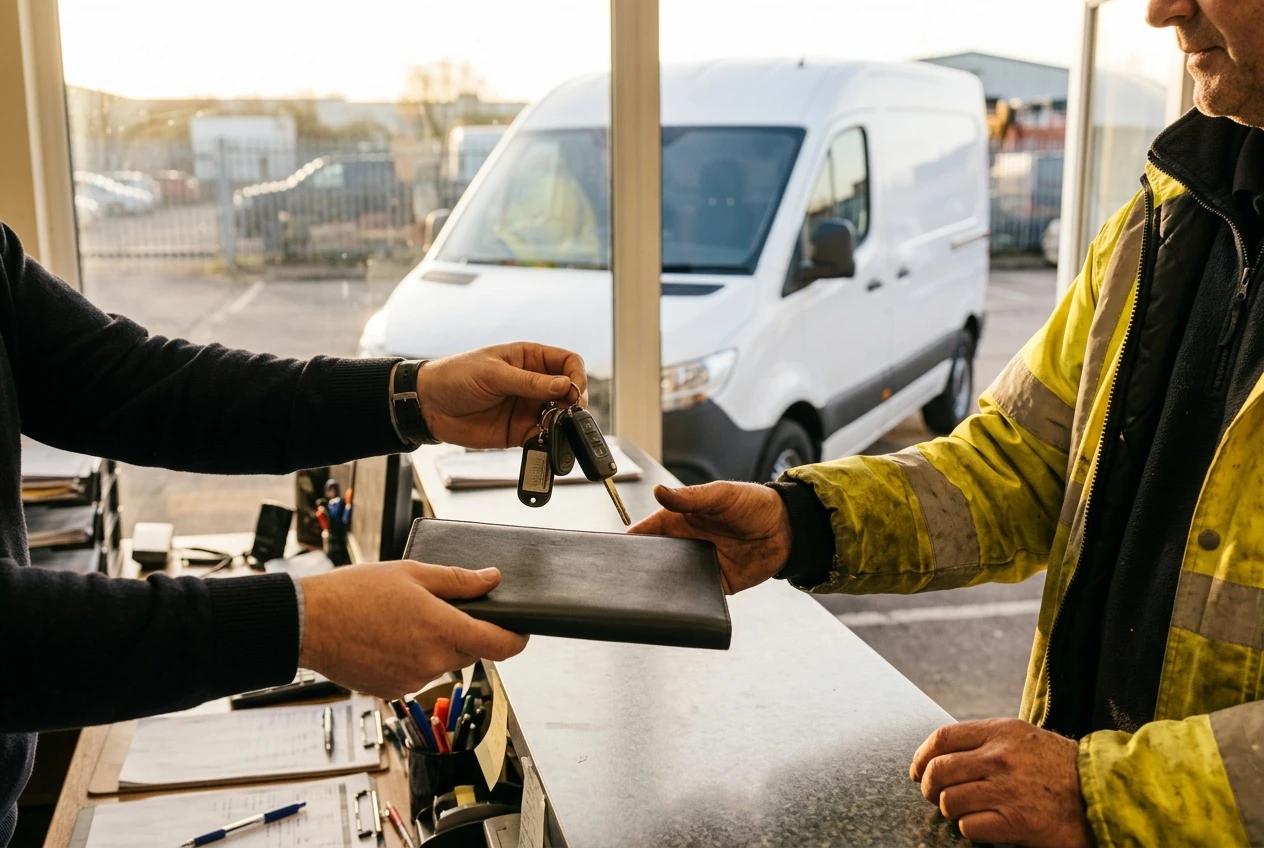
When a new vehicle is introduced, relevant details and dates should be recorded as part of the normal administrative process. If a vehicle is reassigned, the associated employee information should be updated. When an MOT or insurance policy is renewed, the new expiry details should be entered and supporting documents maintained where appropriate.
It is also worth reviewing the register periodically to identify records that may no longer be relevant. Keeping outdated vehicles in the same active list as current vehicles can create confusion, especially when reporting on upcoming responsibilities. A sensible administrative routine should therefore include checking that the system reflects the vehicles actually operated by the business.
These tasks do not have to be particularly time consuming, but they require consistency. The more reliable the information, the more useful the system becomes to the people relying on it.
A Practical Approach to Managing Company Vehicles
Effective vehicle administration does not require a business to introduce complicated procedures. It begins with identifying the vehicles operated, understanding the relevant requirements and maintaining accurate records of the dates and documents that matter.
For small companies, this provides reassurance that important information can be located when needed. For growing businesses, it creates a more consistent approach that can accommodate additional vehicles and employees without becoming increasingly difficult to manage.
The benefits are most noticeable when information is reviewed regularly and responsibilities are clearly assigned. Managers can see which vehicles need attention, employees know whom to contact and important documents are easier to find.
Renewal Radar UK supports this approach by bringing vehicle records into a central system alongside other important business information. Instead of managing each category of renewal through unrelated spreadsheets and reminders, businesses can maintain greater visibility through one organised workspace.
Take Control of Your Vehicle Renewal Dates
If your business depends on company vehicles, knowing when important documents and renewal requirements need attention should be a routine part of administration. A reliable tracking process can help reduce avoidable confusion, support better planning and make relevant records easier to access.
Whether you operate a small number of vans or manage a growing fleet, maintaining accurate information gives you a stronger foundation for everyday operations.
Start your 14 day free trial of Renewal Radar UK at www.renewalradaruk.com and discover how a central tracking system can help organise vehicle records and other important business renewals.
Renewal Radar UK costs £49 per month or £490 annually, saving £98 compared with twelve monthly payments.
All the best!
Eamon